
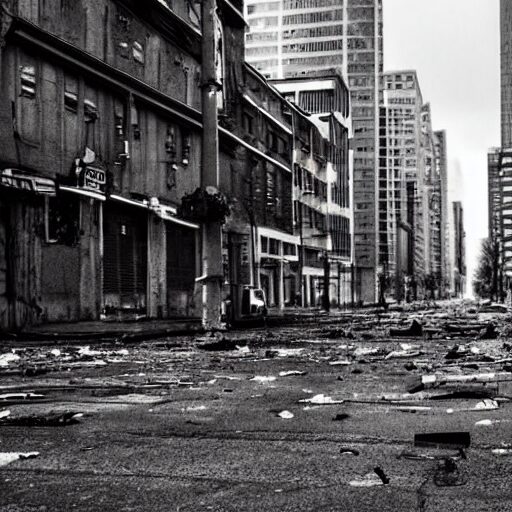
In an apocalyptic scenario where all services are suspended, the world as we know it comes to a grinding halt. The once-familiar glow of screens and the hum of machinery fade into silence. The internet, that vast expanse of information and connection, is reduced to nothing more than a distant memory.
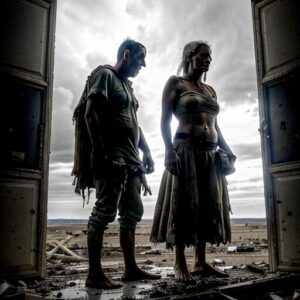
As society teeters on the brink of collapse, the most basic necessities become scarce. Food, water, and shelter are no longer guaranteed. The rule of law gives way to chaos, and survival becomes the sole priority for those left behind.
At first, the lack of internet is not as jarring as one might expect. Our reliance on technology has made us accustomed to instant gratification, but even we can’t ignore the silence that descends upon us. No more endless scrolling through social media, no more cat videos to brighten our day (or week, or month…).
As the days turn into weeks, and the weeks into months, the reality of our situation sets in. We are forced to confront the limitations of our own knowledge and skills. A simple injury or illness becomes a death sentence without access to modern medical care.

The lack of internet means no Google, no Wikipedia, and no YouTube tutorials on how to treat a wound or perform basic first aid. It’s like being transported back in time by several decades. The once-familiar words “epidemiology” and “hemostasis” become foreign terms, lost in the void of forgotten knowledge.
As the days turn into weeks, we begin to realize just how much our modern conveniences have blinded us to the natural world. We forget that a tree can provide shelter, that a stream can quench thirst, and that the stars can guide us through the darkness.
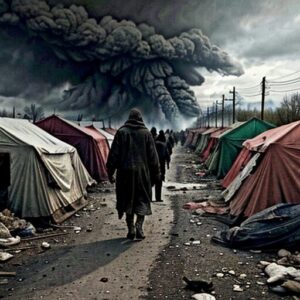
And then, there’s the question of information itself. How do we pass on knowledge from one generation to the next without the internet? How do we preserve historical records when our digital archives are reduced to nothing more than dusty files?
In this desolate landscape, it becomes clear that we have lost something fundamental: our connection to the world around us.
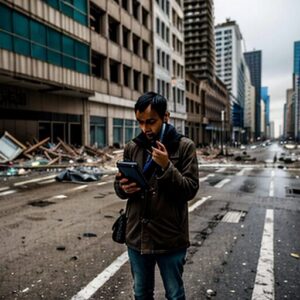
But amidst the chaos and uncertainty, there is a glimmer of hope. For those who seek to rebuild and start anew, there is an alternative solution.
Introducing the Survival Computer
In a world where the internet no longer exists, the Survival Computer offers a beacon of light. This specialized computer is designed specifically for survival situations, providing access to critical information on a wide range of topics.
This tiny, yet mighty device is preloaded with more than 230GB of valuable data, covering a wide range of essential topics:
Emergency Medicine: Treat wounds and illnesses with confidence
Food and Agriculture: Learn to grow your own food, even in challenging environments
Water Purification: Ensure access to clean drinking water, no matter what
Construction: Build shelters, fix equipment, and create sustainable solutions
Auto Maintenance: Keep vital vehicles running smoothly, even off the beaten path


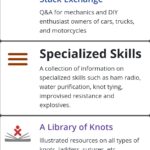

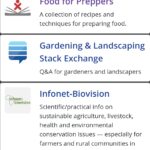
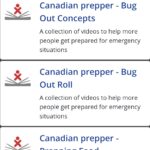

It’s not just a tool – it’s a lifeline. And for those who need it most, it offers a chance to survive and thrive in a world that has been left behind.
In this post-apocalyptic scenario, we are reminded of our dependence on technology and the importance of knowledge preservation. The Survival Computer is more than just a small computer– it’s a symbol of resilience and hope for those who seek to rebuild and start anew.
Stay connected (and informed)
While the world without internet may seem like science fiction, it’s essential to consider the alternatives and be prepared for any scenario. At Ebarb 3D Pritns and Tech, we’re committed to providing you with the tools and knowledge you need to thrive in any situation. Stay tuned for more articles on survival technology and communications!


0 Comments